Introduction: The Need for an Affordable, High-Quality VPN
In 2025, digital privacy and security are no longer luxuries—they are necessities. Whether you're working remotely, streaming geo-restricted content, or simply using public Wi-Fi, a Virtual Private Network (VPN) is essential for protecting your data from prying eyes.
Historically, the best VPNs came with premium price tags, forcing budget-conscious users to settle for inferior, slow, or insecure options. Fortunately, the landscape has changed. Today, many providers offer industry-leading security features, ultra-fast speeds, and global server coverage at incredibly competitive prices, often falling below $3 per month with long-term plans. This guide cuts through the noise to present the Top 10 Lowest Cost VPNs of 2025 that don't compromise on quality, ensuring you get premium features on a budget.
Reasons Why You Need a VPN
While the primary benefit of a VPN is enhanced privacy, there are numerous compelling reasons why every internet user needs one in 2025:
-
Stronger Security: Good VPNs use military-grade encryption (like AES-256), making your online data virtually impenetrable to hackers and fraudsters. This is crucial when accessing sensitive information or working on public Wi-Fi networks (such as in cafes, airports, or hotels).
-
Maximum Privacy: Reliable VPNs conceal your data from all prying eyes, including your Internet Service Provider (ISP), government surveillance, and advertisers. By masking your real IP address and encrypting your traffic, your internet activity remains invisible and untraceable.
-
Bypassing Geo-Restrictions: A VPN allows you to virtually change your location by connecting to a server in a different country. This enables you to access region-specific content, such as streaming libraries (Netflix, Hulu, etc.), local news sites, and international services that would otherwise be blocked.
-
Avoiding Price Discrimination: Some e-commerce sites and airlines show different prices based on your geographical location. By switching your virtual location with a VPN, you can often access lower prices available in other markets.
Quick Comparison Table
This table summarizes the top 10 VPN picks, including their initial discount prices, renewal rates, and the estimated total cost after 2 years.
|
Rank |
VPN Provider |
Initial Monthly Cost (Est.) |
Price After Renewal (Annual/Est.) |
Total 2-Year Cost (Approx.) |
Simultaneous Connections |
Server Count |
Score |
|
1 |
NordVPN |
$2.99 |
$99.48 / year |
$171.21 |
10 |
8400+ |
9.8 |
|
2 |
Surfshark |
$1.99 |
$59.88 / year |
$113.61 |
Unlimited |
4500+ |
9.2 |
|
3 |
ProtonVPN |
$2.99 |
$119.88 / year |
$191.64 |
10 |
17200+ |
8.8 |
|
4 |
TotalVPN |
$1.59 |
$89.00 / year |
$127.16 |
5 |
50+ |
8.4 |
|
5 |
CyberGhost |
$2.03 |
$56.94 / year |
$113.88 |
7 |
9000+ |
8.4 |
|
6 |
IPVanish |
$2.19 |
$89.99 / year |
$142.55 |
Unlimited |
3100+ |
8.0 |
|
7 |
PIA (Private Internet Access) |
$2.03 |
$56.94 / year |
$105.66 |
Unlimited |
35000+ |
8.0 |
|
8 |
Bitdefender VPN |
$3.50 |
$69.99 / year |
$153.99 |
10 |
4000+ |
8.0 |
|
9 |
Norton Secure VPN |
$3.33 |
$79.99 / year |
$119.98 |
5 |
2000+ |
7.8 |
|
10 |
Hide.me |
$2.49 |
$99.95 / year |
$169.90 |
10 |
2600+ |
7.5 |
Key Pricing Notes:
-
Total 2-Year Cost: Calculated as (Initial 2-Year Subscription Price). If the initial plan is shorter than 2 years, it includes the renewal cost for the remaining period.
-
Renewal Rates: Most VPNs offer a deep discount for the first billing cycle. After that, they typically renew at the "Standard" rate. It is often recommended to turn off auto-renewal and look for new deals before your term ends.
-
Currency: All prices are in USD.
Detailed Reviews
Here is a closer look at the five most budget-friendly options that deliver exceptional performance.
1. NordVPN
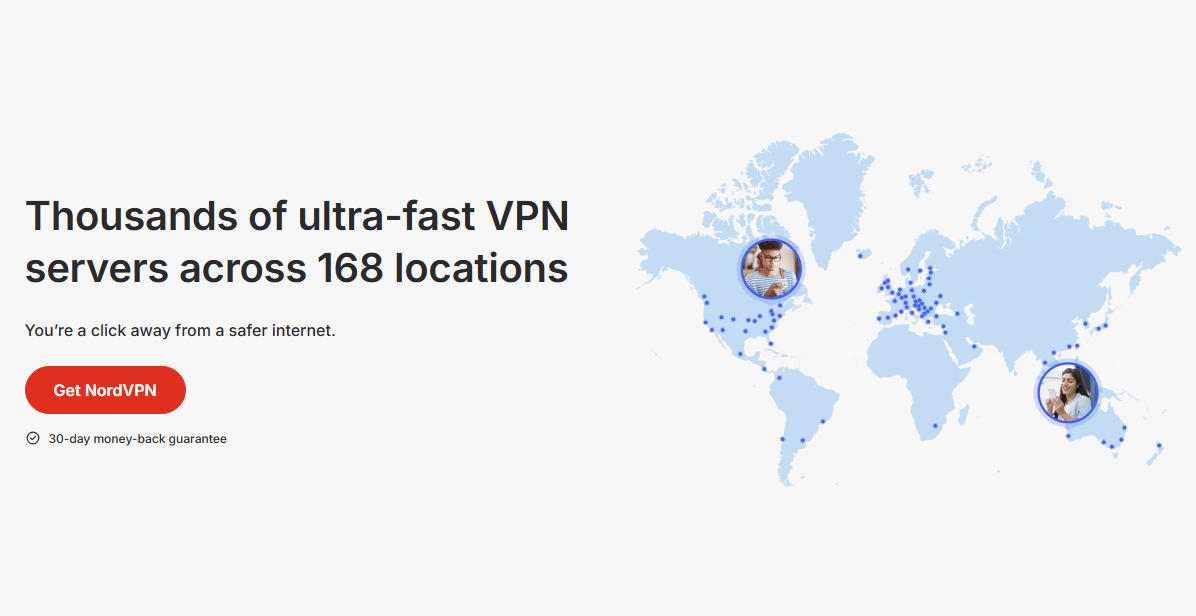
NordVPN secures the top spot by perfectly balancing premium features with excellent long-term pricing (estimated around $2.99/month). While not the absolute cheapest upfront, the value is unmatched. With over 8400 servers in 126 countries, it offers exceptional global access and ultra-fast connections. Crucially, it includes advanced features like an Audited No-Logs Policy, 10 simultaneous connections, and the powerful Threat Protection Pro tool to block ads, trackers, and malware—a suite of features that competitors charge significantly more for. It is the best choice for users who want maximum security and speed without breaking the bank.
2. Surfshark
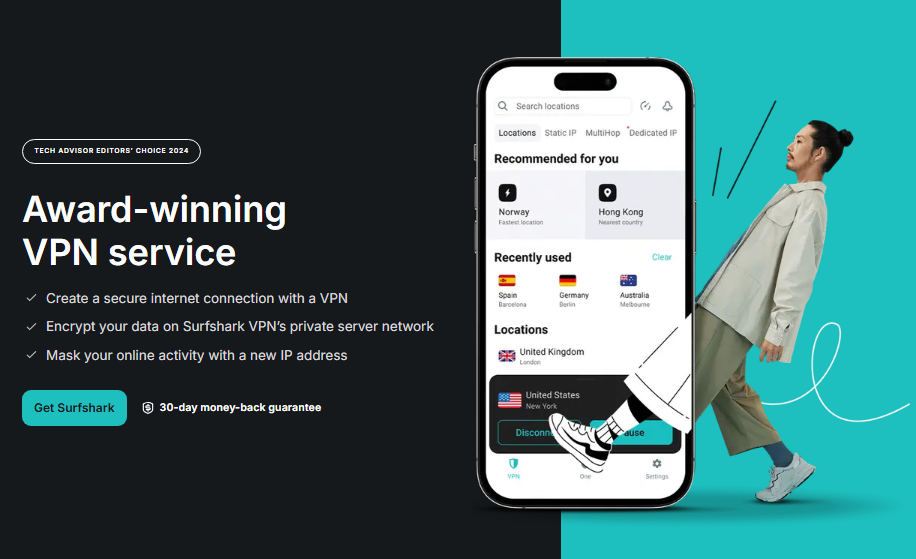
If raw affordability for unlimited devices is your goal, Surfshark is the winner. At an estimated low cost of $1.99/month, it is an absolute steal, especially since it offers unlimited simultaneous connections. This makes it perfect for families or households with many devices. Surfshark provides robust VPN security, a privacy kit, and blazing-fast 10Gbps servers across its 4500+ servers in 100 countries. It consistently provides one of the best feature-to-price ratios on the market.
3. ProtonVPN
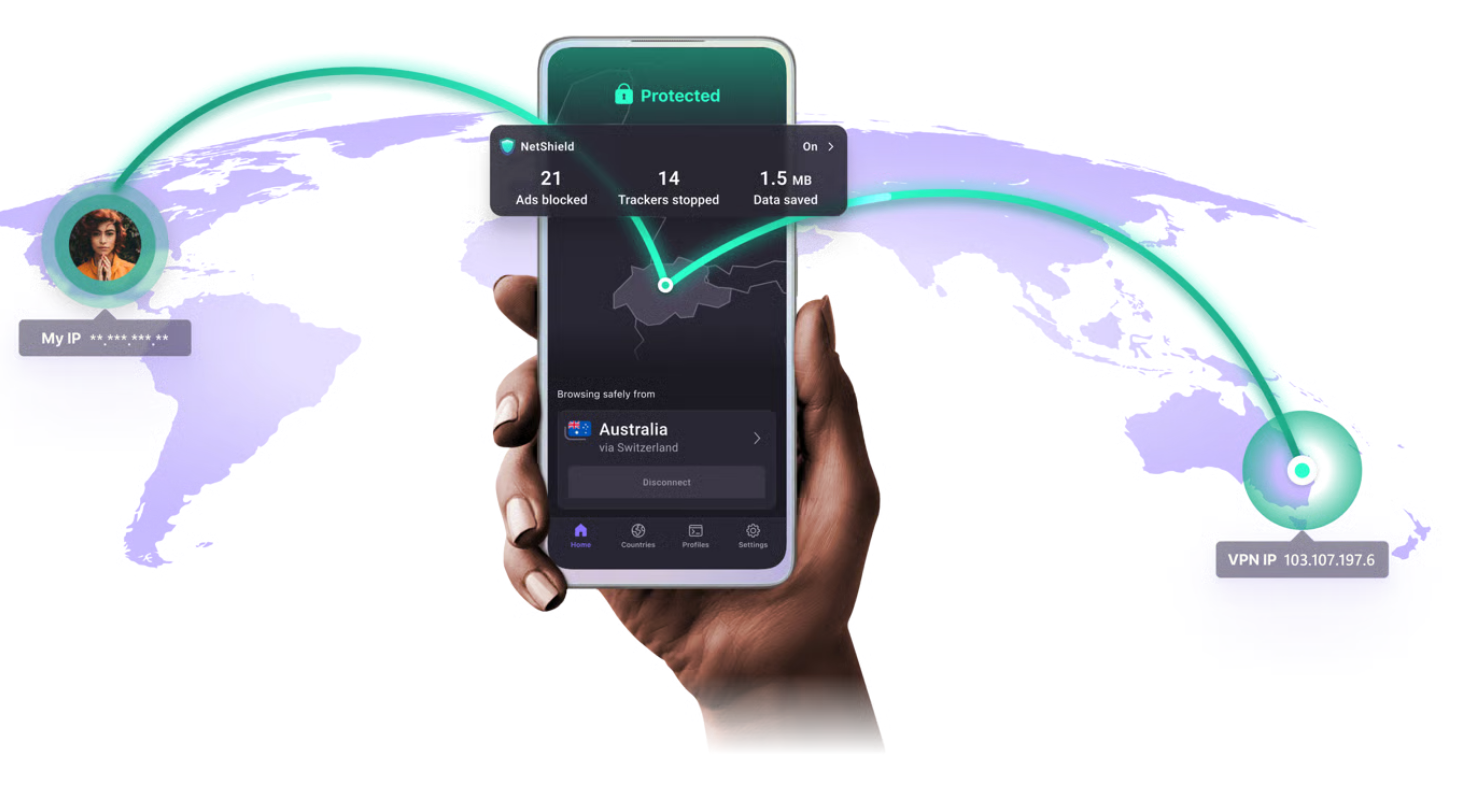
Based in Switzerland, a country known for strong privacy laws, ProtonVPN (estimated cost around $3.49/month) is a champion for privacy advocates. While slightly more expensive than Surfshark, its commitment to security is evident. It offers a massive network of over 15300 servers in 126 countries and uses strong AES-256 encryption. Key budget-friendly features include Ad and malware blockers. This service is ideal for users who prioritize privacy, transparency, and advanced security protocols.
4. TotalVPN
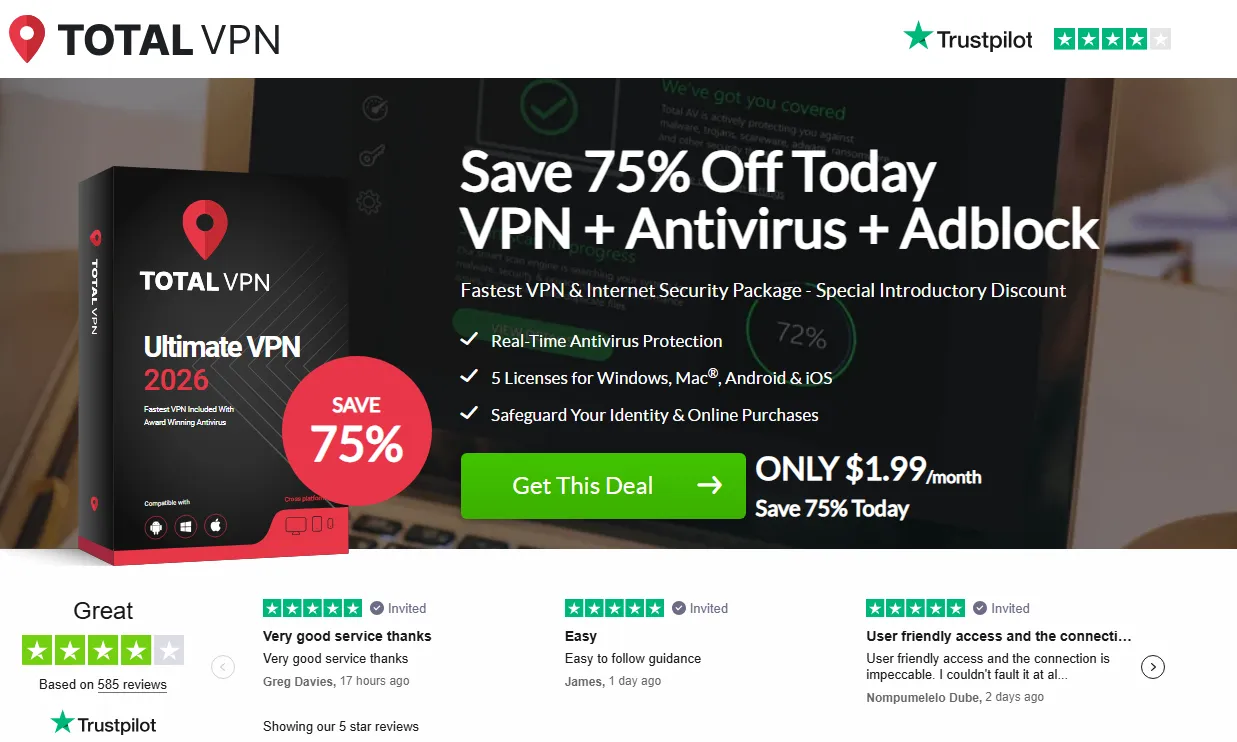
As one of the cheapest VPNs on the market, TotalVPN is highly attractive for budget-first users, with plans starting as low as $1.59/month. The service may have a smaller server footprint (50+ servers in 30 countries), but it provides core protection, including an ad blocker and antivirus, making it a great multi-device protection tool. This is a fantastic entry-level VPN solution for users who need basic encryption and want to minimize their initial investment.
5. IPVanish
IPVanish provides a solid, reliable, and speedy connection experience at an affordable price point (estimated around $3.25/month). It offers unlimited simultaneous connections and boasts over 3100 servers in 110 countries. IPVanish is highly focused on user trust, featuring a verified no-logs policy and a strong VPN security toolkit. It’s an excellent choice for users who torrent frequently or require consistently high speeds for gaming and streaming across all their devices.
6. Bitdefender VPN
Bitdefender VPN is a high-performance service developed by one of the world's most respected cybersecurity firms. Known for its seamless integration with Bitdefender’s antivirus suites, it utilizes the ultra-fast Catapult Hydra protocol to deliver some of the best connection speeds in the industry. The service stands out for its simplicity, making it an ideal choice for non-technical users who want reliable, "one-click" protection without complex configurations. While its privacy policy was once a point of discussion, recent third-party audits have verified its strict no-logs commitment. It is particularly effective for users who prioritize speed for activities like 4K streaming and low-latency gaming, especially when bundled with broader security tools.
7. Norton Secure VPN
Norton Secure VPN is a user-centric privacy tool designed for individuals who value brand trust and ease of use over advanced technical features. Primarily offered as a core component of the Norton 360 security suite, it provides bank-grade encryption and essential features like an automated kill switch and an integrated ad-tracker blocker. While it may have a smaller server network compared to "VPN-only" specialists, its performance on nearby servers is consistently fast. It is best suited for casual internet users and families who want to secure their public Wi-Fi connections and maintain basic anonymity without navigating professional-grade settings. Its 60-day money-back guarantee is one of the most generous in the market, reflecting its focus on customer satisfaction.
8. CyberGhost VPN
CyberGhost VPN is a veteran provider based in Romania, a jurisdiction known for its privacy-friendly laws outside the "14 Eyes" alliance. The service is famous for its massive fleet of over 9,000 servers and its unique "Smart Rules" system, which includes specialized servers optimized for specific streaming platforms, gaming, and torrenting. CyberGhost provides a visually rich interface that guides users to the best possible connection based on their intended activity. With an independently audited no-logs policy and robust support for the WireGuard protocol, it offers a perfect balance between top-tier security and high-speed performance. It remains a favorite for users who frequently bypass geo-restrictions to access global content libraries.
9. Private Internet Access (PIA)
Private Internet Access (PIA) is widely regarded as the "tech enthusiast's choice" due to its highly customizable apps and commitment to transparency. It is one of the few VPN providers that offers fully open-source applications, allowing anyone to inspect the code for security vulnerabilities. PIA boasts a staggering server count and provides unique features such as a server in every single U.S. state, which is a major advantage for bypassing state-level restrictions. Despite being based in the United States, PIA has repeatedly proven its no-logs policy in court proceedings, demonstrating that it truly retains no user data. With support for unlimited simultaneous device connections, it offers exceptional value for power users and large households.
10. Hide.me VPN
Hide.me VPN is an independent provider based in Malaysia that has built a strong reputation for its "privacy-first" philosophy and advanced technical flexibility. It is particularly well-known for offering one of the most functional free tiers in the industry, which provides high security standards without a price tag. For premium users, Hide.me unlocks advanced features such as "Stealth Guard," multi-hop connections, and specialized streaming servers that work reliably with major platforms. The service focuses on using physical hardware rather than virtual servers to ensure maximum performance and data integrity. Because it offers deep customization options like port forwarding and custom scripts, it is highly recommended for technical users who want full control over their VPN environment.
Buyer's Guide: How to Choose a Low-Cost VPN
When shopping for a cheap VPN, you must look beyond the price tag to ensure you are not sacrificing crucial features. A "cheap" VPN is only a good deal if it provides genuine security and functionality.
-
Check the Long-Term Price vs. Monthly Price: The lowest cost is almost always achieved by subscribing to a multi-year plan (24 or 36 months). Check the renewal rate as well—some services dramatically increase the price after the introductory period.
-
Verify the No-Logs Policy: This is non-negotiable. A VPN should not collect, log, or share your internet activity. Look for providers with an audited no-logs policy, meaning a third party has verified their claims.
-
Prioritize Core Security Features: At a minimum, your VPN should offer:
-
Military-Grade Encryption: AES-256 encryption.
-
Kill Switch: Automatically disconnects your device from the internet if the VPN connection drops, preventing accidental data leaks.
-
Modern Protocols: Support for WireGuard (or proprietary versions like NordLynx) for speed and security.
-
Evaluate Speed and Server Coverage: A low-cost VPN shouldn't crawl. Look for providers that offer consistently good speeds and a wide server network (many countries) to ensure you can always find a fast connection nearby and access diverse geo-blocked content.
-
Simultaneous Connections: Determine how many devices you need to protect. VPNs that offer 10 or more, or even unlimited connections (like Surfshark and IPVanish), provide significantly better value for the money.
The "Renewal Price" Trap: What to Watch Out For
While the introductory offers for 2026 are incredibly low, they often mask the long-term cost of the service. Here is how to navigate the renewal phase without overpaying.
1. The Reality of "Introductory Pricing"
-
The First-Term Hook: Explain that the $1.99 or $2.49/mo rates are usually "first-term only" (e.g., for the first 24 or 27 months).
-
The Price Jump: Highlight that renewal rates can increase by 85% to 300%. For example, a plan that costs $60 for the first two years might jump to $120+ upon renewal.
-
Comparison Tip: Always look for the "Standard Rate" buried in the Terms of Service.
2. Auto-Renewal: The Silent Budget Killer
-
Default Settings: Most VPNs enable auto-renewal by default the moment you enter your payment info.
-
The Surprise Charge: Users often forget their 2-year subscription is ending, only to see a large lump sum debited from their account at the much higher "standard rate."
-
Prevention: Recommend turning off auto-renewal in the account dashboard immediately after purchase.
3. Top Providers and Their Renewal Patterns (2026 Forecast)
-
High Jumpers: Providers like NordVPN and Surfshark typically offer massive initial discounts but have some of the steepest renewal hikes.
-
Moderate Increase: ExpressVPN tends to have a more stable, albeit higher, pricing structure with less dramatic jumps.
-
Zero-Hike Heroes: Highlight Mullvad or IVPN as "Flat-Rate" alternatives that charge the same price regardless of whether it's your 1st or 100th month.
4. How to Beat the Price Hike
-
The "New User" Strategy: Cancel your account before renewal and sign up again using a different email address to snag a new "introductory" deal.
-
Holiday Hopping: Time your cancellation for major sales like Black Friday or New Year to switch to a different top-tier provider at a discount.
-
Contact Support: Sometimes, a simple chat with customer support mentioning you plan to cancel due to the price increase will trigger a "retention discount" offer.
5. Checklist Before You Buy
-
[ ] Does the checkout page explicitly state the renewal price?
-
[ ] Is the "Money-Back Guarantee" valid for the renewal period? (Usually, it is not).
-
[ ] Can I easily toggle off auto-renewal in the settings?
How to Get the Best VPN Deals
To maximize your savings when purchasing a VPN subscription, follow these strategies commonly highlighted on deal and coupon websites:
1. Commit to Long-Term Plans
-
Recommendation: Opt for the 2-year plan. The example from the coupon site shows the Surfshark Starter plan can drop to as low as $1.99/month for 27 months with current promotions, making it the most cost-effective choice.
2. Utilize Coupon and Promo Codes
-
Where to look: Regularly check popular technology and deal websites (like TechRadar and WIRED, as mentioned in the content) for publicly posted promo codes that provide additional savings at checkout.
3. Look for Special and Seasonal Sales
-
Seasonal Events: VPN providers often offer their biggest discounts during major shopping periods, such as Cyber Monday and Black Friday.
-
Special Offers: Keep an eye out for promotions that offer extra free months (e.g., 3 extra months free) on top of the standard 1-year or 2-year plans. These offers are frequently updated.
4. Find Affiliate and YouTuber Codes
Many content creators have unique affiliate links or codes that offer a better deal than the standard website pricing.
-
Action: Search YouTube or related blogs for codes provided by content creators, as these often include a specific discount or additional free service months.
5. Leverage Cashback and Student Discounts
Look for extra savings through specialized programs.
-
Cashback Sites: Use platforms like Extrabux which offer cashback on your subscription purchase, adding an extra layer of savings.
-
Eligibility Discounts: Check if you qualify for student-specific deals through partners like Student Beans. Always verify your eligibility before purchasing.
Conclusion: Choosing the Right Budget VPN
Finding a cheap VPN doesn't have to mean compromising on quality. Based on our testing and analysis, the market now offers specialized options that cater to specific high-performance needs without the premium price tag.
-
Best Cheap VPN for Netflix: Surfshark and NordVPN remain the top contenders here. Both offer vast server networks that consistently bypass geo-blocks, ensuring high-speed 4K streaming with minimal buffering.
-
Best Cheap VPN for Gaming: For low-latency connections and DDoS protection, we highlight NordVPN and IPVanish. Their optimized protocols and extensive server coverage help maintain a stable ping, which is crucial for competitive play.
-
Best Cheap VPN for Privacy Purists: If security is your absolute priority, ProtonVPN is the standout choice. With its Swiss-based jurisdiction and open-source, audited apps, it provides a "no-logs" guarantee that satisfies even the most rigorous privacy requirements.
Ultimately, your choice should depend on your primary use case. Whether you are a binge-watcher, a gamer, or a privacy advocate, there is a budget-friendly solution ready to protect your digital life.
Frequently Asked Questions (FAQ)
Q: Are free VPNs safe?
A: Generally, no. While a handful of reputable services (like ProtonVPN) offer safe, limited free tiers, most free VPNs monetize users by logging and selling their data, or by injecting ads, which defeats the entire purpose of a VPN. Low-cost paid options are always a safer and more effective choice.
Q: What is a "no-logs policy" and why does it matter?
A: A no-logs policy means the VPN provider does not record or store any information about your internet activities, such as which websites you visit or what files you download. It is vital because if the VPN is legally compelled to hand over data, they have nothing to provide. Always look for providers with audited no-logs policies.
Q: Can a cheap VPN unblock streaming services like Netflix?
A: Yes, many of the top low-cost VPNs, including NordVPN and Surfshark, are highly effective at unblocking regional streaming libraries. However, this ability can change frequently as streaming services actively block VPNs. Always check recent reviews or confirm the provider’s policy.
Q: Do I need a VPN for my mobile phone?
A: Absolutely. Your mobile phone often connects to public Wi-Fi networks (cafes, airports) that are highly vulnerable to attack. A VPN encrypts your mobile data connection, protecting your identity and personal information from hackers on these unsecured networks.
Q: What is a Kill Switch and why is it important for security?
A: A Kill Switch is a crucial security feature that automatically cuts off your device’s internet connection if the VPN tunnel unexpectedly drops. This prevents your real IP address and unencrypted data from being accidentally exposed (leaked) to your ISP or snoopers, ensuring continuous privacy protection.
Q: What is the difference between VPN protocols like WireGuard and OpenVPN?
A: Protocols determine how your data is encrypted and transferred. OpenVPN is highly secure, reliable, and open-source, but it can be slower. WireGuard is a newer, streamlined protocol that offers comparable security to OpenVPN but delivers much faster speeds and is generally more efficient, making it the preferred choice for modern low-cost VPNs that prioritize performance.
Q: Why are the lowest prices always offered on long-term plans?
A: VPN providers use deep discounts on 2- or 3-year plans to secure customer commitment, which helps them invest in server infrastructure and research. While the monthly price for a 1-month subscription might be high (often $10-$15), the annual or multi-year plans offer rates as low as $2 or $3 per month, representing a huge saving for the customer and predictable revenue for the provider.