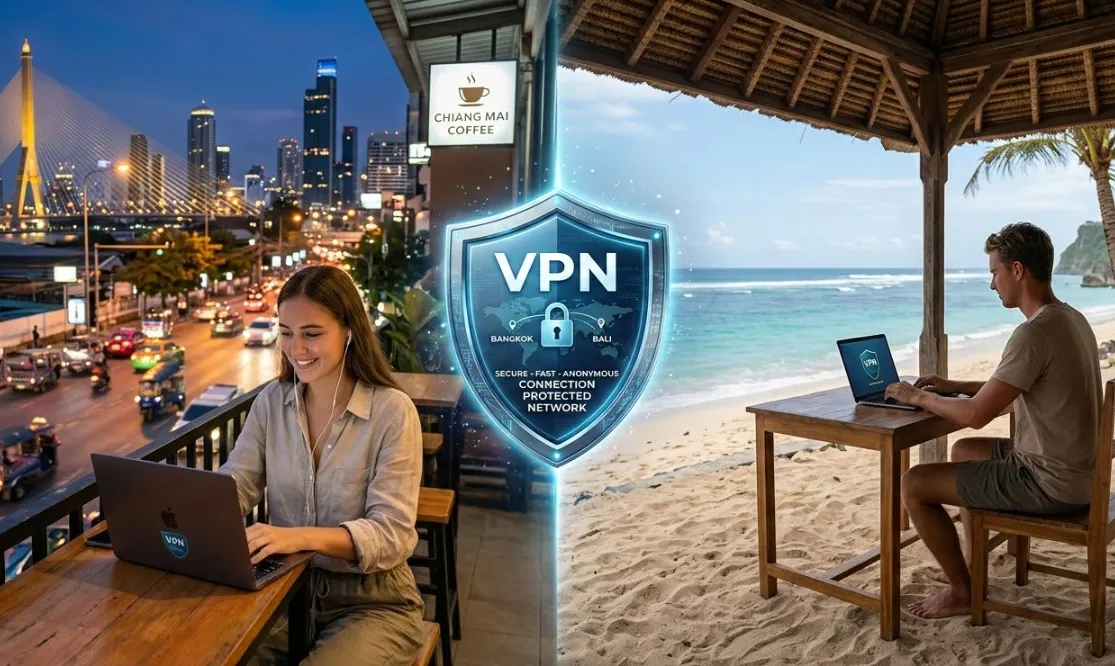
By 2026, Southeast Asia’s digital landscape has evolved into a highly regulated economy. For nomads in Bangkok or Bali, a high-performance VPN is now a survival necessity rather than a luxury. Navigating this environment requires understanding three key shifts:
-
Stricter Regulation: Thailand’s advanced content filtering and Indonesia’s PP Tunas Act (March 2026) mandate rigorous ISP auditing of all cross-border traffic.
-
AI-Powered Detection: Standard Deep Packet Inspection (DPI) now easily identifies and throttles basic proxy tools.
-
Mission-Critical Security: Modern VPNs are essential to prevent bank account freezes and protect sensitive data from emerging quantum-computing threats.
This guide identifies the only VPNs built to withstand these 2026 connectivity and security challenges.
2026 Digital Nomad VPN Comparison
|
Feature |
🥇 NordVPN (Best Overall) |
🥈 Surfshark (Best Value) |
🥉 Proton VPN (Privacy King) |
|
Best For |
High-end video calls, Crypto trading |
Multiple devices, Shared teams |
Devs, High-sensitivity data |
|
2026 Tech |
NordLynx + Post-Quantum Encryption |
Nexus Architecture + Dynamic MultiHop |
Stealth Protocol + Secure Core |
|
Bypassing (Bali) |
Excellent (Obfuscated Servers) |
Strong (NoBorders Mode) |
Excellent (Mimics HTTPS traffic) |
|
Speed (Thailand) |
Top Tier (Ultra-low latency) |
Excellent (Wide server network) |
Good (Secure routing adds slight delay) |
|
Privacy |
Audited No-Logs + Diskless RAM |
Audited No-Logs + RAM-only |
Swiss Jurisdiction + Open Source |
|
Devices |
10 devices |
Unlimited |
10 devices |
|
Verdict |
The most stable and fastest choice. |
Best for teams or multi-device users. |
The ultimate choice for privacy purists. |
The Singapore/Hong Kong Routing Strategy
-
Why Avoid Local Servers? While it’s tempting to connect to a server in Jakarta or Bangkok for "proximity," these local nodes are physically located within the jurisdiction of local ISPs. In 2026, a Jakarta-based VPN server is often subject to the same PP Tunas Act filtering as your direct connection. This can lead to "VPN-internal blocking" where certain sites remain inaccessible even though you are connected.
-
The Singapore Advantage: Singapore remains the primary subsea cable hub for Southeast Asia. For nomads in Bali, connecting to a Singapore node often results in a more stable connection than a local one. High-tier providers now offer dedicated "Low Latency" routes specifically optimized for the Best VPN server for Bali low latency searches, typically delivering sub-30ms pings from Canggu.
-
Hong Kong for Thailand: For nomads in Chiang Mai or Bangkok, Hong Kong servers provide a perfect gateway to bypass Thai national gateways while maintaining high speeds for high-definition video conferencing and crypto trading platforms.
-
Technical Tip: Always use WireGuard (or NordLynx) when connecting to Singapore from Bali to mitigate packet loss common in local 5G infrastructure.
Thailand vs. Bali: Network Pain Points
|
Dimension |
🇹🇭 Thailand (Chiang Mai/Bangkok) |
🇮🇩 Indonesia (Bali) |
|
Infrastructure |
Excellent (5G & Fiber everywhere) |
Average (Limited by island geography) |
|
Avg. Latency |
10 - 40ms (Very stable) |
40 - 120ms (Fluctuates due to subsea cables) |
|
Censorship |
Moderate (Copyright & Sensitive info) |
High (Trust Positif & PP Tunas Act) |
|
Blocked Content |
Some streaming/copyrighted sites |
Reddit, Crypto platforms, certain Social Media |
|
VPN Necessity |
Medium (Security & Unblocking) |
Extreme (Essential for daily survival) |
|
Best Protocol |
WireGuard (For pure speed) |
Stealth / Obfuscated (For stability) |
🇹🇭 Thailand: "The Illusion of Freedom"
The Reality: Infrastructure is world-class, with 5G coverage often beating Western cities. However, since 2026, ISPs have begun aggressive "copyright filtering."
-
ISP Throttling: Prolonged P2P downloads or high-bandwidth Zoom calls can trigger automatic speed capping.
-
Public Wi-Fi Risks: Man-in-the-middle attacks targeting nomads in co-working spaces are frequent.
-
Avoid: VPNs without a "Kill Switch." If your connection drops for a second, your real IP exposure can trigger bank security freezes.
🇮🇩 Bali: "Strict Policy, Fragile Pipes"
The Reality: While fiber is common, international bandwidth is inconsistent. The PP Tunas Act is the biggest hurdle.
-
Trust Positif Censorship: Without a VPN, you cannot access Reddit or many crypto exchanges in Indonesia.
-
DPI Detection: Major ISPs like Telkomsel use DPI to identify and drop VPN packets that aren't properly hidden.
-
Essential Feature: Obfuscation is a non-negotiable requirement. It masks VPN traffic as normal HTTPS web browsing to prevent throttling.
The "Why" of the PP Tunas Act (Indonesia)
The PP Tunas Act (Government Regulation No. 17 of 2025) officially moved into full enforcement in March 2026. While its primary focus is "Child Protection in Digital Space," its technical implementation has broad implications for all users, including digital nomads.
-
Real-Name Registration & Biometrics: As of 2026, all Indonesian ISPs (Telkomsel, XL, Indosat) require mandatory biometric facial recognition linked to your passport for SIM card activation. This means every byte of data is tied to your legal identity.
-
Risks of Non-Compliance: Foreigners found bypassing content filters to access "prohibited" sites (which can include everything from Reddit to specific crypto exchanges) without a secure setup face escalating administrative sanctions. In extreme cases of "electronic system interference," this can lead to temporary service suspension or complications with visa renewals.
-
VPN as a Mask: A high-quality VPN in 2026 doesn't just hide your IP; it uses Obfuscation to mask the nature of your traffic. Even if the ISP knows who you are via your registered SIM, they cannot see what you are doing (e.g., professional VOIP calls vs. restricted social media), preventing "guilt by association" or accidental flagging by AI-driven firewalls.
2026 Red Zones: Top 5 VPN Traps to Avoid
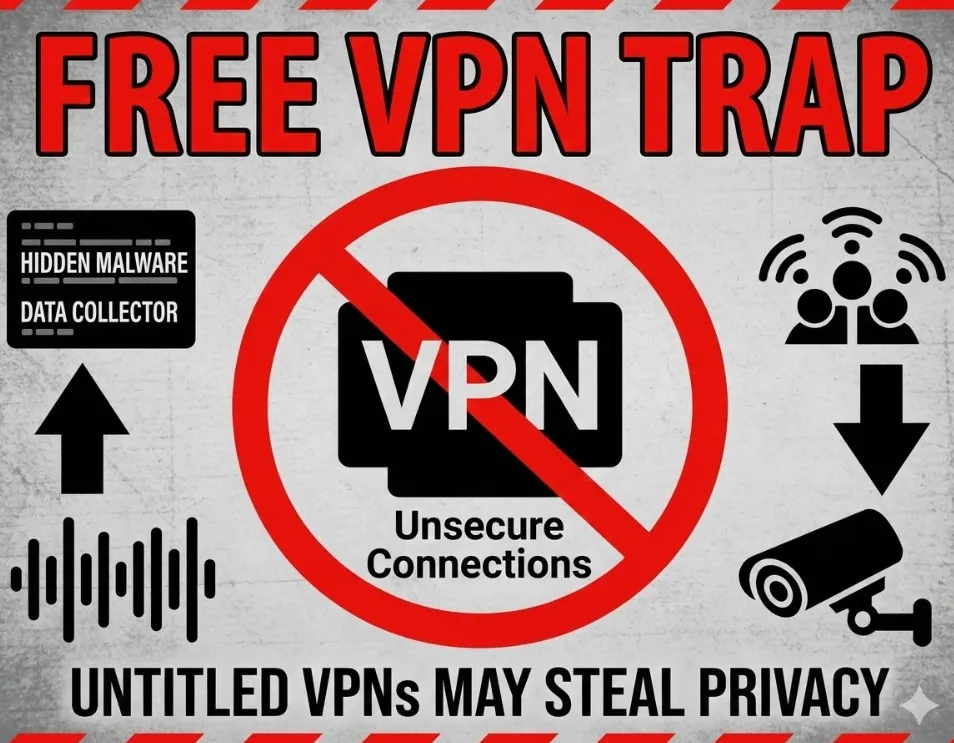
In 2026, Southeast Asian firewalls have evolved from simple "IP blocking" to AI-based Signature Recognition. Avoid these high-risk services:
❌ Trap 1: Obscure "Free" VPNs
-
The Issue: AI-driven DPI is too costly for free providers to bypass. You are "browsing naked."
-
The Risk: Data harvesting (selling bank/email logins) and device hijacking (turning your laptop into a botnet node).
❌ Trap 2: Outdated Protocols (PPTP/L2TP/IKEv2)
-
The Issue: These are now "transparent" to Thai and Indonesian ISPs.
-
The Risk: Instant disconnection as soon as the ISP detects the signature. No privacy against modern decryption.
❌ Trap 3: No Post-Quantum Encryption (PQE)
-
The Issue: "Store Now, Decrypt Later" attacks are at an all-time high in 2026.
-
The Risk: Your sensitive business contracts and crypto keys could be deciphered by quantum computers within 3-5 years.
❌ Trap 4: No Private Encrypted DNS
-
The Issue: ISP-level DNS Poisoning is standard in Bali.
-
The Risk: Even with a VPN on, you’ll be blocked or monitored because your requests still travel through local operator pipes.
❌ Trap 5: Unaudited "No-Logs" Claims
-
The Issue: Under the PP Tunas Act, government data-access pressure is severe.
-
The Risk: Verbal promises are worthless. Only services with Deloitte/PwC audits can be trusted to have zero data to hand over.
Expansion: Why "Free" is Your Most Expensive Choice
-
The AI-DPI Failure: In 2026, simple encryption is no longer enough. Free VPNs typically use legacy protocols (like basic IKEv2) that are easily identified by Indonesia and Thailand's AI-powered Deep Packet Inspection (AI-DPI). This results in "ghost-throttling," where your connection stays active but speeds drop to 128kbps, making Zoom calls or crypto trading impossible.
-
Data Harvesting vs. Crypto Wallets: For many nomads, their crypto wallet is their bank. Free VPNs often sustain their business by "scraping" unencrypted metadata. In the age of AI-driven social engineering, a leaked IP or a "Man-in-the-Middle" script from a free VPN provider is a greater threat to your seed phrases than any hacker.
-
The $5 Monthly Insurance: A premium subscription in 2026 is essentially a $5/month insurance policy for your digital life. Paid services invest in Post-Quantum Encryption and 24/7 server rotation—features that free services simply cannot afford. If your income depends on being "online and secure," a free VPN is a single point of failure you cannot afford in Southeast Asia.
Top 3 Recommended VPNs for 2026: Field-Tested Winners
Comprehensive Performance Comparison
|
Feature |
|||
|
Core Advantage |
Speed & Quantum Security |
Unlimited Devices & Dynamic MultiHop |
Ultimate Privacy & Stealth Protocol |
|
Obfuscation Mode |
Obfuscated Servers |
NoBorders Mode |
Stealth Protocol |
|
Post-Quantum Ready |
✅ Fully Deployed |
⚠️ Partially Deployed |
✅ Fully Deployed |
|
2026 Latency |
Ultra-Low (Best for Zoom/Gaming) |
Low (Best for Streaming) |
Moderate (Security First) |
|
Audit Status |
Multiple Deloitte Audits |
Deloitte Audited |
Open Source & Professional Audits |
1. NordVPN: The All-Rounder
2026 Core Update: Fully integrated Post-Quantum Encryption (PQE) across all servers. Built on the NordLynx protocol, this update adds a vital layer of protection against "Store Now, Decrypt Later" attacks in the post-quantum era.
Digital Nomad Field Test:
-
Thailand: The "Threat Protection Pro" feature automatically filters malicious pop-ups often found on public Wi-Fi in Bangkok’s trendy coffee shops.
-
Bali: Its dedicated Obfuscated Servers remain rock-solid following the implementation of Indonesia's PP Tunas Act. It is currently one of the few services capable of streaming Reddit smoothly without connection drops.
-
Best For: Users seeking maximum speed, crypto traders, or those handling highly sensitive commercial contracts.
2. Surfshark: Best Value for Teams
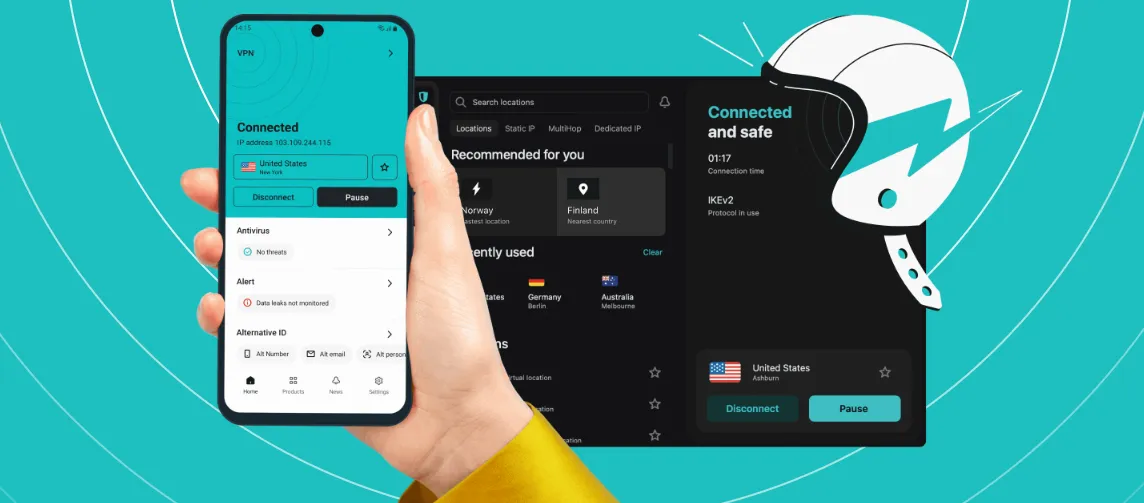
2026 Core Update: Evolution of Dynamic MultiHop technology. Users are no longer restricted to preset server pairs; you can now manually select entry and exit nodes (e.g., Singapore Entry -> Hong Kong Exit), making traffic analysis nearly impossible for local ISPs.
Digital Nomad Field Test:
-
Unlimited Connections: A single account protects your MacBook, iPhone, tablet, and your roommates' devices simultaneously.
-
Nexus Architecture: In 2026, the proprietary Nexus network architecture ensures faster IP rotation without interrupting ongoing Zoom meetings, even under Bali’s fluctuating fiber conditions.
-
Best For: Budget-conscious nomads, users with multiple devices, or nomad groups sharing costs.
3. Proton VPN: The Privacy Expert
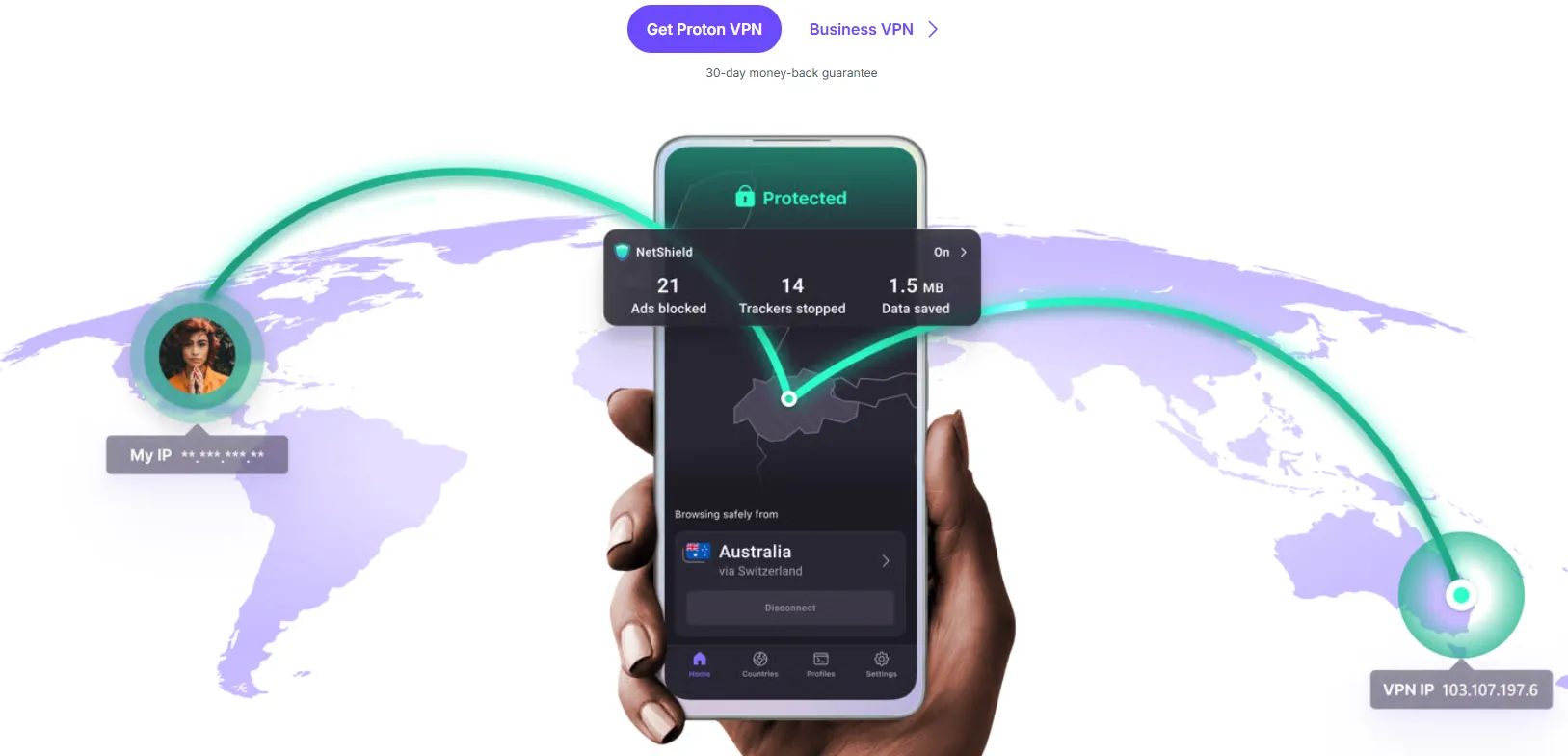
2026 Core Update: Stealth Protocol is now perfectly optimized for Linux and Desktop. By obfuscating the TLS handshake, it makes VPN traffic indistinguishable from standard HTTPS web browsing during DPI scans.
Digital Nomad Field Test:
-
Secure Core: Routes your traffic through hardened underground servers in Switzerland or Iceland before hopping to Southeast Asia. Even if a local ISP attempts monitoring, they cannot trace your true identity.
-
Swiss Jurisdiction: Based in Switzerland and outside any surveillance alliances, it remains the ultimate fortress for those demanding absolute privacy.
-
Best For: Developers, privacy purists, and high-risk users operating in restrictive network environments.
Advanced: 2026 SEA Compliance & Productivity Guide
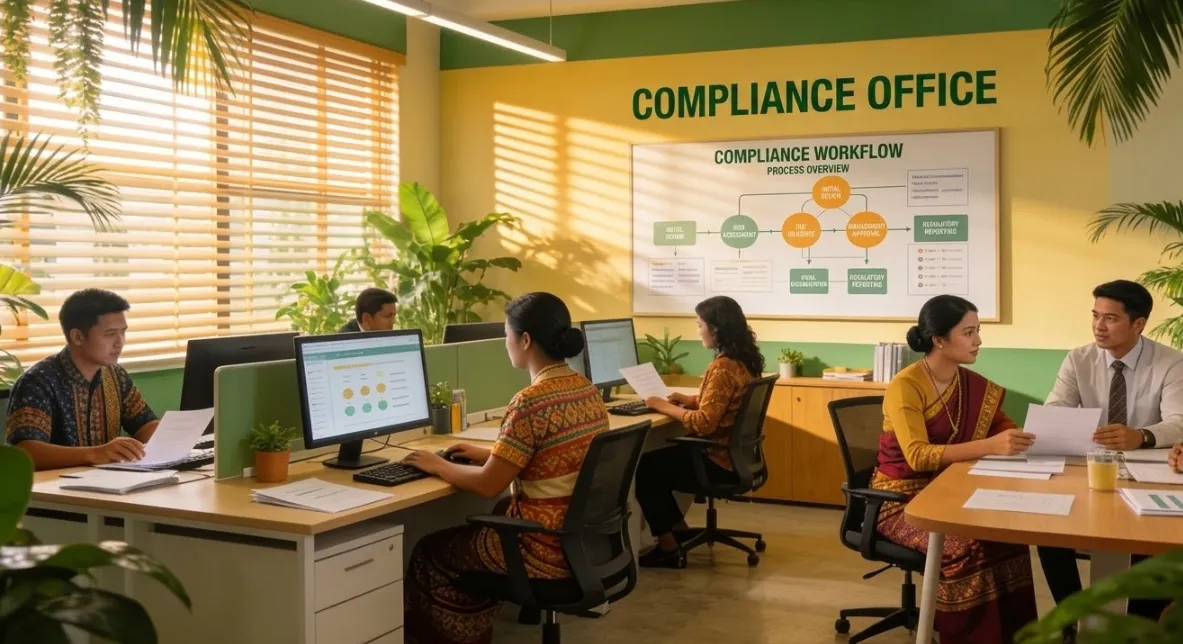
In 2026, as nomad regulations in Southeast Asia mature, compliance has become the foundation for long-term stays.
1. Visa Categories & Network Privileges
-
Thailand DTV (Destination Thailand Visa): The most popular nomad visa in 2026. This status defines you legally as a "Foreign Remote Worker." Holding a DTV allows you to skip deposit requirements when applying for home fiber with AIS or True and enables applications for high-stability Business-Grade Static IPs.
-
Indonesia E33G (Remote Worker Visa): The Bali government strictly enforces real-name registration for this visa. While your VPN traffic is encrypted, your physical line access is linked to your identity.
-
Compliance Alert: Never use a tourist visa to apply for commercial-grade fiber. In 2026, the Indonesian tax office began auditing residential IPs with high-intensity traffic. Using tourist status for heavy remote work may lead to account freezes.
2. 2026 Cross-Border Data Compliance (PDP)
-
Thailand PDPA Enhanced: If you process data involving EU (GDPR) or Chinese users while in Thailand, you must ensure your VPN has an Audited No-Logs certification. Thai regulators in 2026 have increased scrutiny over data leaks in coworking spaces.
-
Indonesian Data Sovereignty: Under the PP Tunas Act, ISPs can theoretically request access to unencrypted traffic. Therefore, using Double VPN (multi-hop encryption) is a compliance baseline for protecting company secrets.
3. 2026 Top Coworking Space Speed Tests
|
Location |
Space Name |
Speed (Mbps) |
Stability |
Remarks |
|
Chiang Mai |
Yellow Coworking |
850 / 600 |
⭐⭐⭐⭐⭐ |
2026 Upgrade; supports Wi-Fi 7 |
|
Canggu |
BWork Bali |
300 / 200 |
⭐⭐⭐⭐ |
Requires Stealth VPN to bypass ISP audits |
|
Bangkok |
The Hive |
950 / 900 |
⭐⭐⭐⭐⭐ |
Ideal for high-frequency video calls |
Expert Tips: Optimizing Your Remote Work Experience
Beyond choosing the right VPN, utilize these enterprise-grade strategies tailored for the 2026 Southeast Asian environment:
1. Precision Traffic & Protocol Management
-
Balancing WireGuard vs. Stealth:
-
Thailand: Due to relatively relaxed censorship, prioritize WireGuard (e.g., NordLynx) for the lowest meeting latency and maximum bandwidth.
-
Bali: If you notice frequent connection drops, switch immediately to Stealth or OpenVPN (TCP) mode. While 20% slower, these effectively penetrate Indonesia's DPI audits.
-
-
App-Level Split Tunneling:
-
Strategy: Force Zoom, Slack, Notion, and Git through the VPN; set local apps like Grab/Gojek, Maps, and local Netflix to "Direct Connection."
-
Benefit: Avoids "IP bans" on local streaming services and significantly reduces device overheating and battery drain.
-
2. Building a 2026 Connectivity Redundancy Kit
-
Hardware Gateway Solution: Carry a Wi-Fi 6E/7 travel router (GL.iNet series recommended). Configuring the VPN at the router level protects all devices—including casting hardware that doesn't support VPNs—and offers stronger firewall policies.
-
Triple-Layer Backup (Fiber + 5G + Satellite):
-
Primary: Coworking or hotel Fiber.
-
Secondary (eSIM): Pre-installed 5G data packs from Airalo or local providers (AIS/Telkomsel). Use your phone as an instant hotspot.
-
Emergency: In remote areas like Amed, Bali, Starlink Mini has become a nomad standard in 2026, serving as the ultimate safeguard against local infrastructure failure.
-
3. Advanced Security & Identity Protection
-
Physical Security Keys (U2F): Public Wi-Fi hijacking techniques in 2026 are highly sophisticated. Abandon SMS codes (which suffer from roaming delays) and switch to YubiKey or Google Authenticator.
-
Custom Private DNS: Manually configure DNS over HTTPS (DoH) using 1.1.1.1 (Cloudflare) or 8.8.8.8 (Google) at the device level. This prevents Indonesian ISPs from logging your request history even before the VPN tunnel is established.
4. Hardware-Level Productivity Hardening
-
GaN Chargers + Power Bank: Power grids in some areas (especially Ubud) can be unstable. Use a 140W GaN charger with surge protection and carry a high-capacity PD fast-charging power bank to ensure work continues during local brownouts.
-
Active Noise Cancellation (ANC) 2.0: Cafes in Bangkok and Chiang Mai are notoriously loud. In 2026, high-end ANC headphones (like Sony XM6 or AirPods Pro 3) use AI to filter background speech, ensuring professional-grade audio for your meetings.
Conclusion
In 2026, in Thailand and Bali, a VPN has evolved from a simple "utility" into a digital nomad's "Digital Talisman." In an era of awakening data sovereignty and iterating network censorship, your choice of tools directly determines your psychological security and career longevity in the remote work world.
Final Checklist:
-
Protocol Test: Ensure you have enabled Obfuscation/Stealth features in your VPN client.
-
Offline Backup: Save VPN installers and backup server addresses on an offline disk.
-
Account Security: Ensure your 2FA method does not rely on a physical SIM card that might be intercepted at customs or fail to roam.
-
Redundancy Account: If budget permits, subscribe to two different VPN providers (e.g., Nord + Proton) to handle sudden large-scale blocks.
Final Advice: As digital nomads, our freedom is built on a deep understanding of the rules. Do not risk using obscure free tools for the sake of a small subscription fee. In 2026, the most expensive costs will always be "lost data" and "connection interruptions."
May you have a silk-smooth internet experience under the sunsets of Chiang Mai or the waves of Canggu. Keep your digital pasture connected forever!
FAQ (Frequently Asked Questions)
Q1: Is it legal to use a VPN in Thailand or Bali?
A: Yes, for work/privacy. However, Indonesia's PP Tunas Act forbids access to illegal content. Use VPNs for professional tasks only.
Q2: Why can't I log into my banking app even with my VPN on?
A: Banks block VPN IPs. Fix: Use a Dedicated IP or the Kill Switch + local 5G direct connection temporarily.
Q3: Internet speed is slow during evening peak hours. Does switching VPN nodes help?
A: Likely undersea cable congestion. Fix: Connect to Singapore/HK nodes or switch protocol to OpenVPN (TCP) to reduce packet loss.
Q4: Can I install a VPN on a public router in a coworking space?
A: Usually impossible. Fix: Use a Travel Router plugged into the office Ethernet to protect all your devices.
Q5: Do I need to buy a "Static IP" for remote work?
A: Highly recommended if you access company whitelisted servers or want to avoid ChatGPT/Banking "suspicious IP" flags.
Q6: Is public Wi-Fi in Southeast Asia really that dangerous?
A: High. Man-in-the-Middle attacks are common. Never access banking or company intranets without an active VPN.
Q7: Why does my laptop get so hot when the VPN is on?
A: Bypassing AI-DPI is CPU intensive. Fix: Enable AES-NI Hardware Acceleration or offload the VPN task to a travel router.
Q8: Is Reddit Blocked in Bali 2026?
A: Yes, Reddit remains blocked by default across all major Indonesian ISPs (Telkomsel, Biznet, XL) in 2026. This is enforced through the Trust+ Positif database, which classifies Reddit as hosting "unfiltered adult content," a violation of the newly tightened PP Tunas Act standards.
The Solution: To access Reddit safely for work or community research, you must use a VPN with Obfuscation. By using a "Stealth" protocol, your VPN masks the Reddit-specific handshake as standard HTTPS web traffic, preventing the ISP's firewall from triggering the block.